Families trying to reclaim valuable artwork stolen by Nazis in Second World War speak of frustraton at legal changes which make their attempts even more difficult
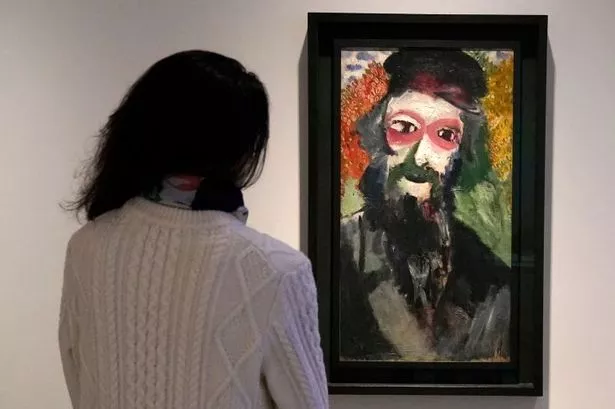
Furious families trying to get back artwork stolen by the Nazis during WW2 have hit out at new tribunals which start in Germany today which they say will only make attempts much more difficult.
They claim the new rules are so strict they will now prevent some Jewish families from even trying. Over 80 years after the end of WW2, thousands of families are still trying to reclaim artworks stolen, extorted or forced from them under Nazi persecution.
Berlin is now promoting its new arbitration courts as long-overdue justice, beginning on December 1st. But lawyers and investigators have slammed it as a twisted system loaded with procedural obstacles.
READ MORE: ‘Hitler’s pianist’ escaped from Nazi Germany to live out life in UK countrysideREAD MORE: ‘Splendid’ war film about Nazi gold now streaming on Netflix
Art investigator Willi Korte said the structure “creates the impression that the procedure is intended to make things more difficult for the claimants. In whose favour? In favour of the museums.”
Restitution lawyer Olaf Ossmann, said the new scheme “forces the persecuted person to prove that there is a direct connection between his persecution and a forced sale.”
The burden of proof is therefore pushed back onto victims – a move that investigators call morally indefensible and historically catastrophic. Restitution lawyer Anja Anders, speaking to the state broadcaster Rundfunk Berlin-Brandenburg warned the framework will bar families entirely.
He said: “This will lead one or another partial heir to say: ‘We cannot go to the arbitration court at all, because we are missing another heir.’”
Germany estimates up to 600,000 artworks were lost due to Nazi persecution. Yet since the 1998 Washington Principles, museums have returned only 7,738 cultural objects and 27,550 books.
The outgoing advisory commission completed a mere 26 cases in 22 years because museums could simply refuse to participate and frequently did.
Picasso’s Madame Soler, held in Bavaria after a 16-year battle with the heirs of Jewish banker Paul von Mendelssohn-Bartholdy, is now being steered into arbitration only because the new rules tilt hard in the museum’s favour.
Bavaria shockingly refused hearings for more than a decade. But it then suddenly welcomed arbitration once the legal landscape shifted in its direction.
But culture minister Wolfram Weimer, speaking through a government statement, still claims the tribunal will bring “new movement.”