If you’re looking to end an unhappy relationship ahead of the festive season, now’s the time to act.
As one of the most romantic times of year approaches, it can be hard to work out when to call things off.
Now, a relationship expert has revealed the best – and worst – time to break up with your partner as the festive season gets underway.
And if you want to be kind, it’s best to do it sooner rather than later, they say.
‘Mid–November to early December is usually the kindest window,’ said Claire Dows, relationship expert at Private Investigations UK (PIUK).
‘It gives both people space to process before the social pressure of Christmas kicks in. Waiting until the final days of December can make a breakup feel cruel or chaotic.’
She said shortly after New Year, specifically January 3–7, is the next major spike for splits.
‘Once the tree comes down, reality sets in,’ she added. ‘People reassess what they want — it’s a natural emotional reset.’
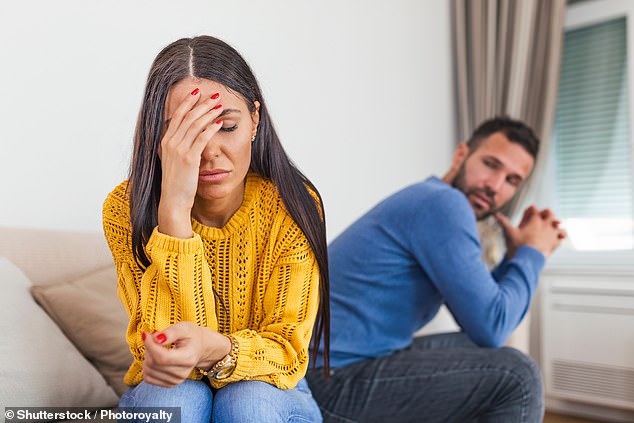
While the festive season is known for romance and reunion, investigators say it’s also one of the busiest times of year for uncovering infidelity.
If you suspect your partner may be cheating on you in the run–up to December 25, there are a range of festive red flags to look out for, they said.
This includes extended ‘gift–buying trips’ that stretch into hours, as partners use Christmas shopping ‘as a built–in excuse for vanishing’.
Unlabelled bags, hidden boxes or luxury purchases with no clear recipient can also signal something’s amiss.
A sudden curation of their online presence and being vague about availability could also indicate not all is right.
‘Every December we see a sharp rise in suspected affairs,’ John Eastham, lead investigator at PIUK said.
Office parties, late–night shopping trips, and sudden secrecy are classic covers for behaviour that doesn’t add up.
‘The festive period gives people ready–made excuses for unusual behaviour. If something feels off, it probably is,’ PIUK said.
A study, published earlier this year, revealed men are more likely than women to have an affair during high–stress events.
Researchers from Indiana University Bloomington surveyed more than 1,000 adults who were in committed heterosexual relationships during the first year of the Covid pandemic.
Participants were asked about whether they had engaged in any actions that their partner would consider to be infidelity.
Overall, 19 per cent of people said they had engaged in some form of infidelity during the pandemic – either online or in–person.
Analysis revealed that men were more likely than women to say their desire to be unfaithful increased during the pandemic.
They were also more likely to report having cheated on their significant other.