‘When I was first diagnosed, I thought my life was over. I was scared, I was alone, and, honestly, I was swimming in shame. But you know what? The shame? Yeah, that shame wasn’t mine to carry.’
Since 1985, 44.1 million people around the world have died of HIV or Aids and related illnesses. Although medical advances over the past four decades mean people infected with HIV – which, if left untreated, can develop into Aids – can live long and healthy lives, there are currently 40.8 million people around the world living with the incurable condition, including more than 105,000 in the UK.
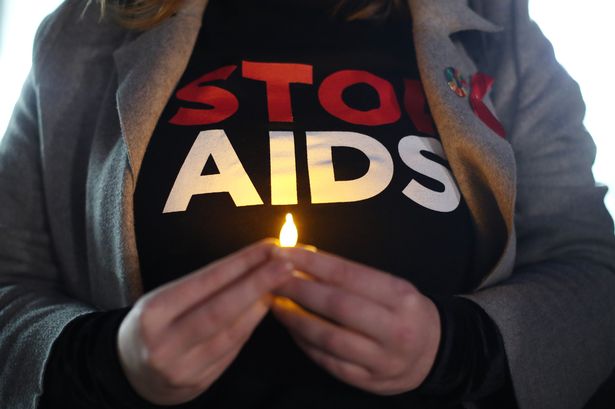
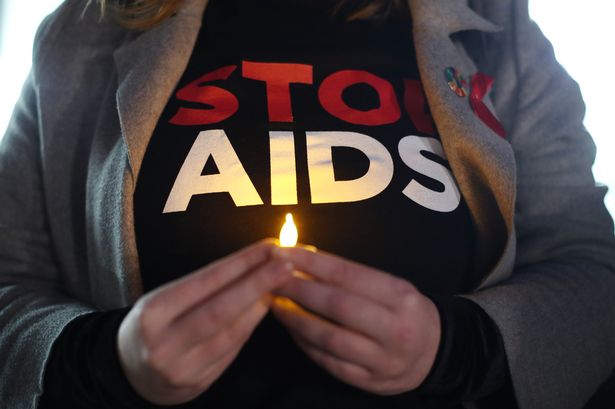
Today, December 1, is World Aids Day, an international movement aimed at stamping out stigma around the two conditions and remembering those who have lost their lives. First held in 1988, the annual day of campaigning works towards ending all new cases of HIV by 2030, and is backed by big names including American TV presenter Michelle Visage, RuPaul’s Drag Race UK star Charity Kase, and British actor Layton Williams.
One man who was diagnosed with HIV earlier this year has spoken of how he is able to live a full and healthy life with the condition, which attacks the body’s immune system. Seth Showalter, who has 17,600 followers on TikTok, where he posts as bringing.awareness, recently posted a video telling his own story, and busting some common myths about the disease.
Opening the video by saying “I’m living my best life with HIV”, he said: “So here’s the deal. I’ve been living with HIV since June 5, 2025, and I need to say this loud and clear – this is not a death sentence. Let me repeat that – having HIV is not a death sentence. I’m healthy, I’m thriving, and I am unstoppable.
“But let’s rewind for a second. When I was first diagnosed, I thought my life was over. I was scared, I was alone, and, honestly, I was swimming in shame.
“But you know what? The shame? Yeah, that shame wasn’t mine to carry. It came from all of the stigma that still exists around HIV. And that is what we’re here to change.”
Seth continued: “Let’s start with some facts. HIV is not just a gay man’s disease. It doesn’t discriminate. It can affect anyone. And here’s the kicker, with treatment people can live long, full lives and they can’t even pass the virus to others. That is called being undetectable.”
He added: “So why is this still such a taboo topic? Well, it’s because too many people are still stuck in the past. They think HIV is this dirty little secret, when really it’s just a medical condition, just like diabetes or high blood pressure.
“But the difference? People like me have to deal with the assumptions, the whispered judgements, the awkward questions, and quite frankly I’m done with it.
“That is why World Aids Day is so important. It’s not just a day to remember, it’s a day to educate, to fight stigma, and to celebrate how far we’ve come.”
According to the World Health Organisation (WHO), an estimated 630,000 people died of HIV-related causes last year, while 1.3 million new cases were diagnosed. The WHO said: “There is no cure for HIV infection. However, with access to effective HIV prevention, diagnosis, treatment and care, including for opportunistic infections, HIV infection has become a manageable chronic health condition, enabling people living with HIV to lead long and healthy lives.”
Signs and symptoms include:
- Fever
- Headache
- Rash
- Sore throat
- Swollen lymph nodes
- Weight loss
- Fever
- Diarrhoea
- A cough.
Without treatment, people living with HIV can also develop severe illnesses including:
- Tuberculosis (TB)
- Cryptococcal meningitis
- Severe bacterial infections
- Cancers such as lymphomas and Kaposi’s sarcoma
It can also make other infections such as hepatitis C and B, and mpox, previously known as monkeypox, worse.
The UK Government has adopted a United Nations target to eliminate new cases of HIV by 2030, and has said England is on target to be the first country in the world to achieve this.